
Hotel Renew beach forecast: weather, water & waves
Waikīkī, HI · Oʻahu, United States · 21.273, -157.822
Updated : very low seaweed, beach grade B-, sea 79°F.
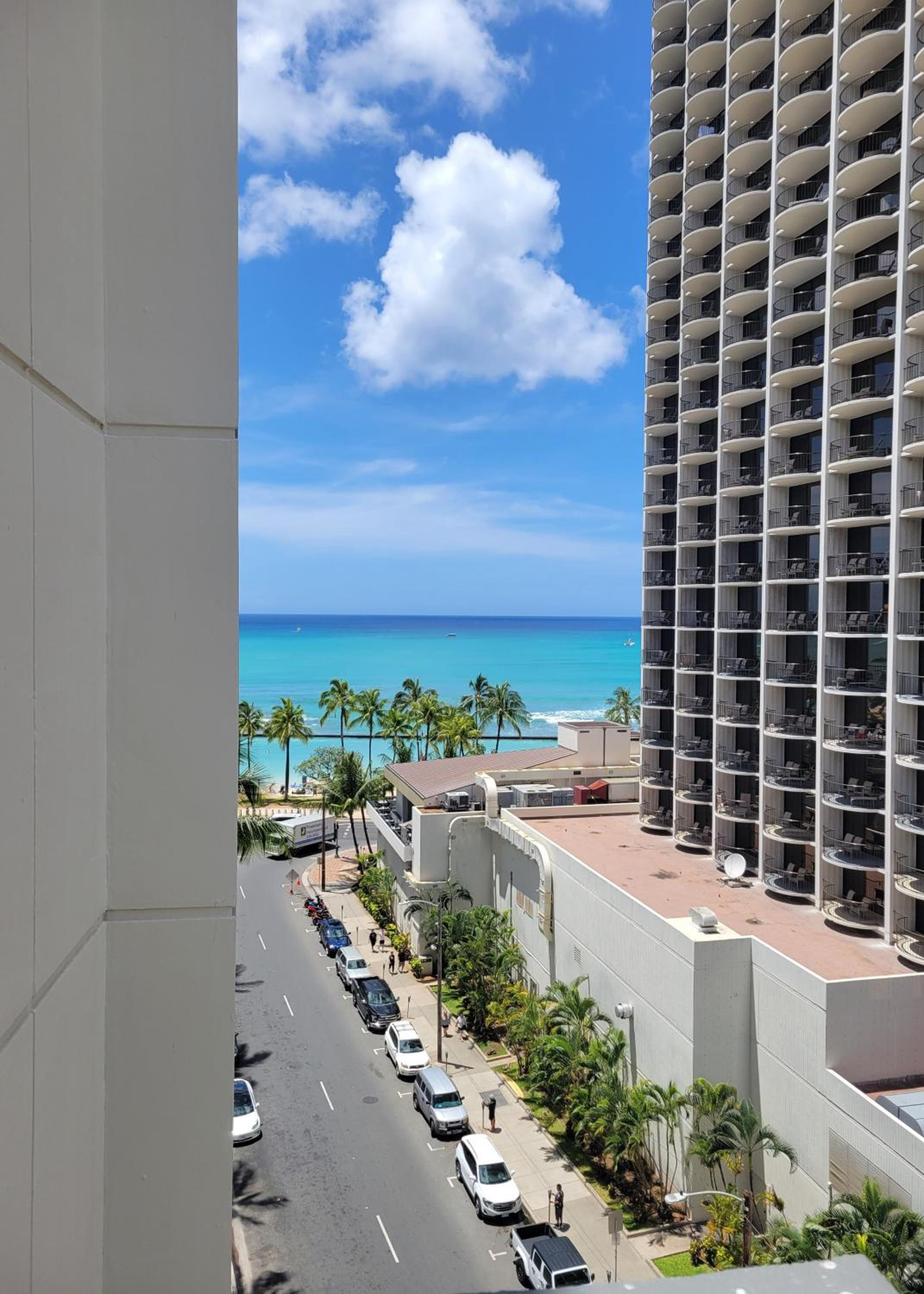
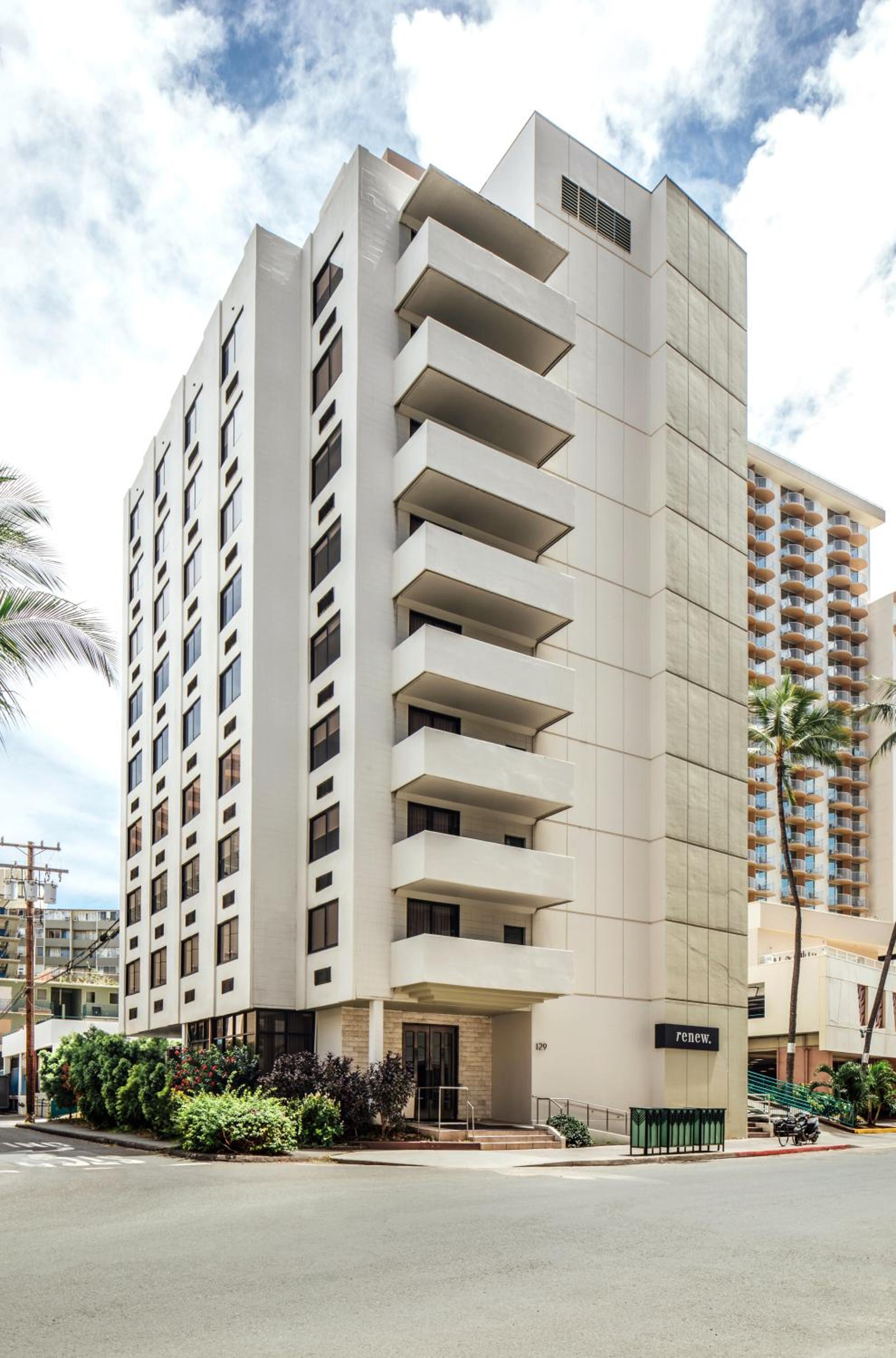
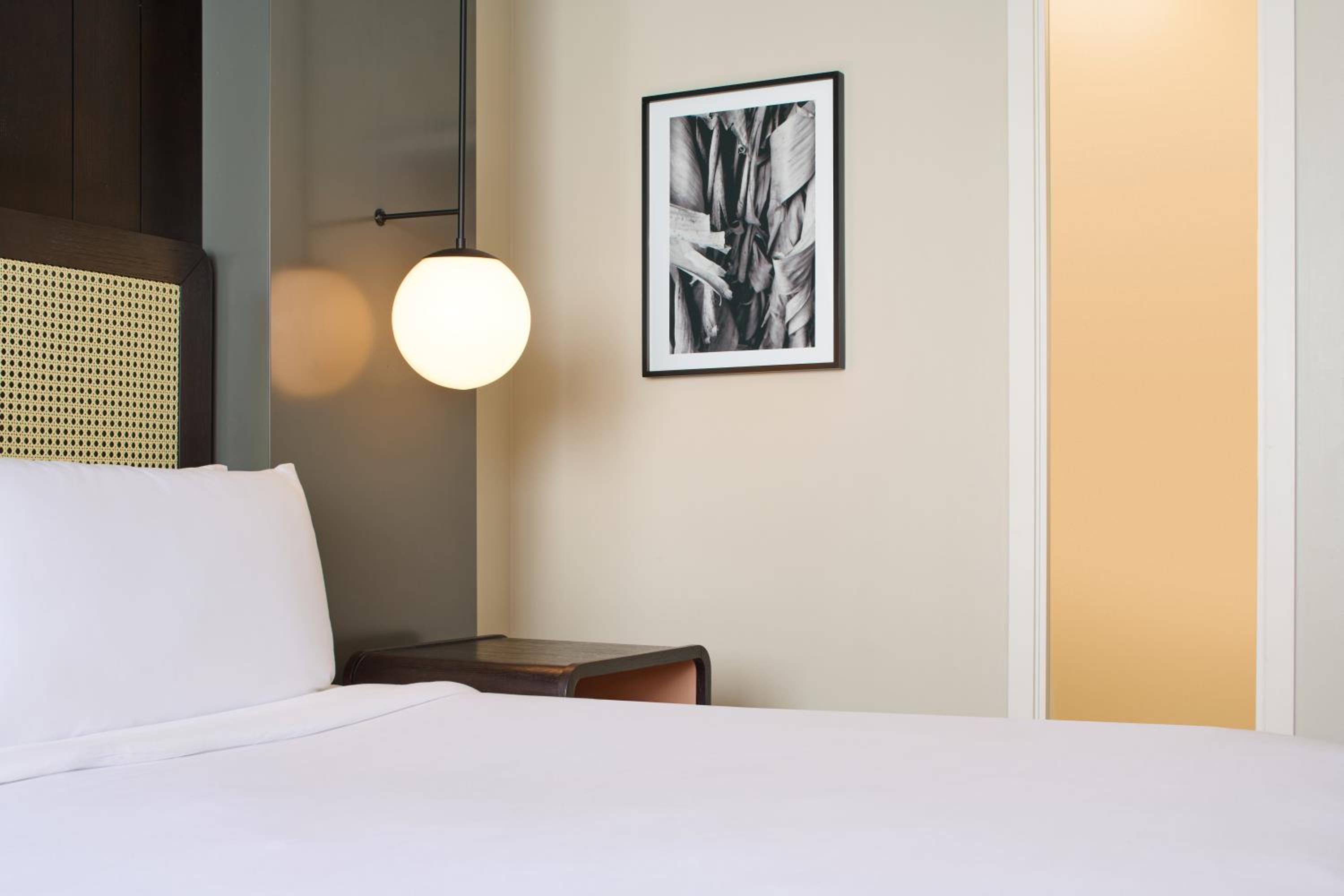


Veabird's call
Monday is worth it at A- with little seaweed and 79°F water.
September and October grade best, and Diamond Head hike is close on this southwest facing beach.
Grades from Veabird's beach forecast; wording by AI (Muse Spark), checked against the forecast. Updated Nov 13, 06:00 UTC.
Tell me when Hotel Renew grades A
One email when the beach grades A, at most once a week per beach. We only ask for your email address, and every email has a one-click unsubscribe.
We email you a link to confirm first. Privacy
Plan your trip
Where to stay nearby
Partner links: Veabird may earn a commission at no cost to you. Partners never affect forecasts or scores.
Questions about Hotel Renew
Does Hotel Renew get sargassum (seaweed)?
No. Atlantic sargassum does not reach Hawaii.
How warm is the water at Hotel Renew?
About 79°F in November. The sea is warmest in September (about 81°F) and coolest in March (about 76°F).
When is the best time to visit Hotel Renew?
For warm water and dry weather, aim for September through February. September is usually the quietest of those, with about 15 rainy days and a sea near 81°F.
When is hurricane season at Hotel Renew, and how often do storms hit?
The central Pacific hurricane season runs June through November. A tropical storm passed within 86 miles of Hotel Renew in 3 of the 55 seasons from 1971 to 2025, and a hurricane within 58 miles in 1. The riskiest stretch is around July 23, when the chance of a storm passing in any one week is about 1% or less; across all of August it is about 2%.
What guests say about Hotel Renew
Guests like Friendly staff · Great location
Watch for Noise issues · Room size concerns
- Cleanliness
8.8 - Service
9.3 - Location
9.3 - Room Quality
7.8 - Amenities
8.3 - Value for Money
7.8 - Food and Beverage
8.8 - Overall Experience
8.8
Read all 2,324 reviews · Compare on Expedia
Scores and reviews come from guests who stayed, through LiteAPI (Nuitée). The likes, watch-fors and category scores are an AI summary of those reviews. Partner links: Veabird may earn a commission.
Sargassum season at Hotel Renew
Hotel Renew sits outside the reach of the Atlantic sargassum belt; seaweed landings are rare in any month.
Oʻahu month by month
Typical weather, water temperature, seaweed and crowds for every month: the best time to visit Oʻahu.
Weather & water by month at Hotel Renew
Average highs run from about 78°F in February to 85°F in August and September. The sea is warmest in September (about 81°F) and coolest in March (about 76°F). January is usually the driest, with about 12 rainy days; April and July are the wettest, with about 20 rainy days.
| Month | Avg high | Sea | Rainy days |
|---|---|---|---|
| Jan | 79°F | 77°F | 12 |
| Feb | 78°F | 77°F | 13 |
| Mar | 79°F | 76°F | 17 |
| Apr | 80°F | 77°F | 20 |
| May | 81°F | 78°F | 19 |
| Jun | 83°F | 79°F | 16 |
| Jul | 83°F | 79°F | 20 |
| Aug | 85°F | 80°F | 16 |
| Sep | 85°F | 81°F | 15 |
| Oct | 84°F | 80°F | 15 |
| Nov | 82°F | 79°F | 14 |
| Dec | 79°F | 78°F | 13 |
Monthly averages from 6 years of ERA5 reanalysis (Open-Meteo) for this area's 0.5° grid cell; rainy days have at least 1 mm (0.04 in). Any given year can differ.
Cleanup & barriers
- Offshore barriers
- Not needed: Atlantic sargassum does not reach Hawaii.
- Public cleanup
- Volunteer groups (Sustainable Coastlines Hawaiʻi, Hawaiʻi Wildlife Fund) clear ocean plastic, heaviest on windward shores.
- Resort crews
- Resort crews groom beaches daily.
- Typical clearing time
- n/a
Safety notes
Domestic travel (no State Dept advisory)
- Winter swells (Nov–Mar) make north- and west-facing shores dangerous; summer swells hit south shores.
- Shorebreak and rip currents cause most visitor injuries: swim at lifeguarded beaches.
- Hawaiʻi bans sunscreens with oxybenzone and octinoxate.
- Stay 50 ft from monk seals and 10 ft from sea turtles.
- Box jellyfish can reach leeward beaches 8–10 days after a full moon.
Check official advisories and local flags before swimming. Decomposing sargassum releases hydrogen sulfide; avoid heavy piles.
Things to do near Waikīkī, HI
- Pearl Harbor National Memorial
- Hanauma Bay snorkeling (reservations)
- Diamond Head hike
- North Shore surf (winter)
- Lanikai & Kailua beaches
Fly in for the best beach days
Suggested dates are a week in December. Change them to match the live forecast above.
Opens a flight search in a new tab. Partner link: Veabird may earn a commission.
Nearest airports
- Honolulu Intl (HNL), ~12 km
Nearby resorts
- Ewa Hotel Waikīkī, HI · 0 km
- Waikiki Beach Marriott Resort & Spa Waikīkī, HI · 0 km
- Park Shore Waikiki Waikīkī, HI · 0 km
- Hyatt Place Waikiki Beach Waikīkī, HI · 0 km
- Queen Kapiolani Hotel Waikīkī, HI · 0 km
- 'Alohilani Resort Waikiki Beach Waikīkī, HI · 0 km
Embed this forecast
Hotels and travel sites can show live conditions for Hotel Renew for free. Get the widget · Data & API